


Why the 9–5 Is the Slowest and Least Scalable Way to Build Wealth (And What to Do Instead)


Disclaimer
Some links may earn us a small commission at no extra cost to you.
Click here to read our full affiliate disclosure.
Disclaimer
We believe in complete transparency with our audience.
Some links may earn us a small commission at no extra cost to you.
Please know that we only recommend products/services we have personally used, thoroughly researched, and genuinely believe can benefit our audience.
We are immensely grateful for every click and purchase you make through these links. Thank you for being a part of our community and for your continued support!
Click here to read our full affiliate disclosure.
Let's be honest for a second.
You were told that if you worked hard, obtained a degree, secured a steady job, and dedicated enough time, you'd be alright. Maybe even comfortable. There was also a possibility that you could become wealthy.
But here you are, a few years (or decades) in, and something feels off. The raises are small. The promotions are slow. And no matter how hard you work, your bank account doesn't seem to reflect it.
That's not a personal failure. That's a structural problem with how the 9-5 is designed.
Creating wealth outside of traditional employment is no longer a radical concept. It's the strategy that financially independent individuals have been quietly implementing while many continue to wait for their next performance evaluation.
Why the 9-5 Is the Slowest Way to Build Wealth
Here's the core issue, and once you see it, you can't unsee it.
A job pays you for your time. Not your results. Not your potential. Your time.
Consider what that means in a practical sense. You arrive at work, put in eight hours, and you receive your payment. If you work nine hours, there’s a possibility that you might get paid overtime. But if you manage to work more efficiently and complete all your tasks in five hours, it doesn’t change the fact that you’ll still receive the same amount of money in your paycheck.
There's no mechanism in a traditional job to reward scale. And scale is exactly how wealth is built.
The Salary Ceiling Nobody Warns You About
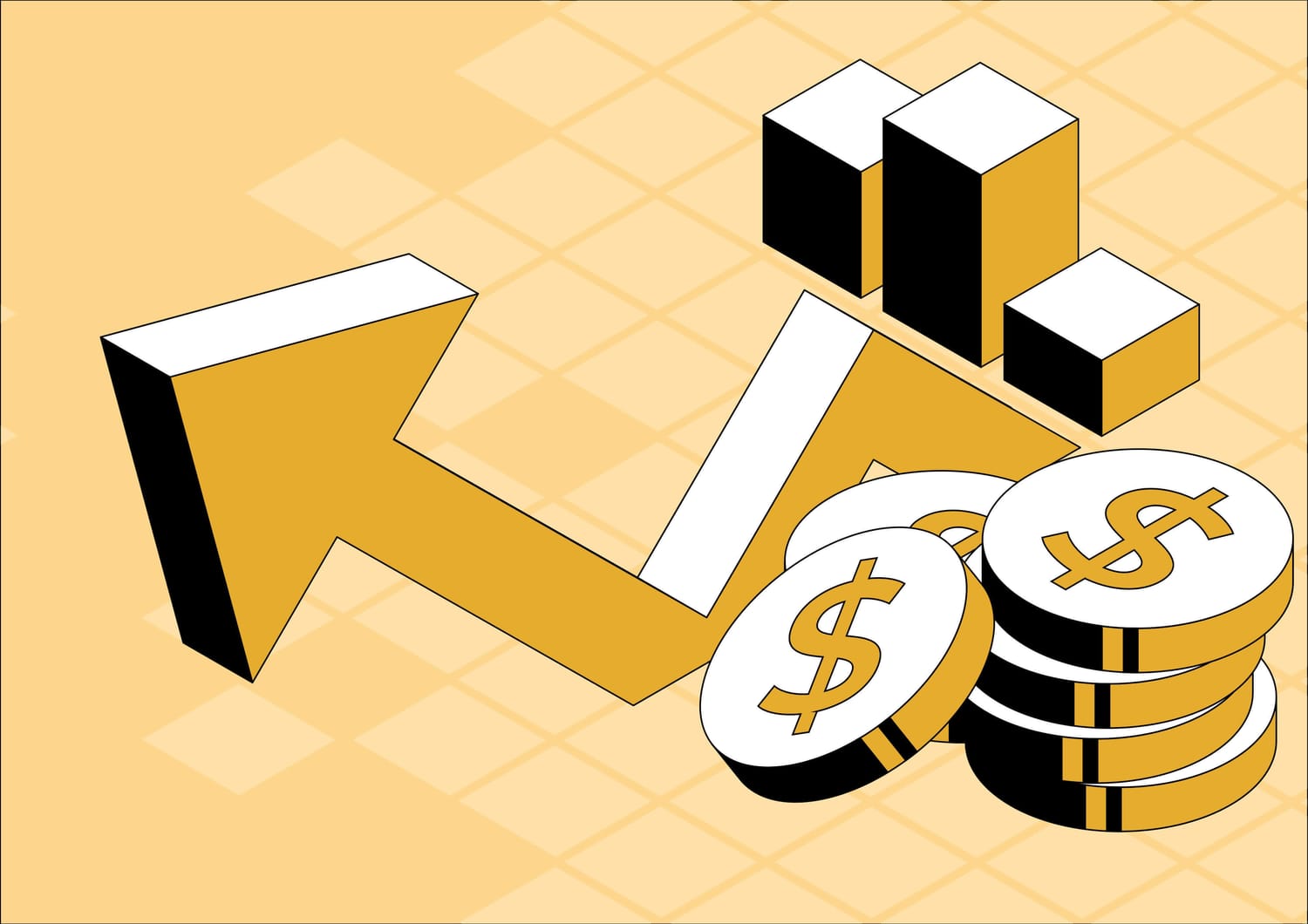
Early in your career, raises feel exciting. Ten percent here, a promotion there. Progress!
Then, at some point between years five and ten, things begin to slow down. The jumps in pay get smaller. The competition gets tighter. And you start noticing there's an invisible ceiling on the amount of money that your employer will ever pay you, regardless of how skilled or good you become.
This is the salary ceiling, and almost every employee hits it.
Meanwhile, your expenses don't level off. They increase. Rent goes up. Kids arrive. Life gets more expensive. So, you put in more hours at work in an effort to make more money, but the math never quite works out the way you hoped.
The cruel irony? The more responsibilities you take on, the slower your income grows.
"But My Job Is Secure"
Sure. Until it isn't.
Stability feels real when you're inside it. However, companies do downsize. Industries can shift. Automation is taking over job categories that appeared safe just ten years ago. Even high performers with glowing reviews have found themselves out of a job because of a budget cut or a restructuring decision made three floors above them.
True financial security doesn't come from a single employer. It comes from owning assets, having multiple income streams, and not needing any one source to survive.
A job can be part of your financial life. It just can't be all of it.
The Secret Wealthy People Actually Use: Leverage

Wealthy people don't necessarily work harder than you. They uniquely approach work. Specifically, by harnessing leverage, which essentially means they’ve established systems that generate income far beyond what they could earn with just their own efforts.
There are four types of leverage worth knowing:
1. Time leverage — you hire people or outsource tasks, so your output multiplies beyond your personal hours.
2. Capital leverage — your money makes more money through investments, so you earn while you sleep.
3. Code leverage — software, apps, and automation run 24/7 without you. A tool you build once works forever.
4. Media leverage — a YouTube video, a blog post, or a newsletter reaches thousands of people simultaneously. You create it once; it keeps working.
Here's the brutal truth about your job: it offers almost none of these. Your output is almost entirely limited to your own hours. That's the definition of the least scalable income model possible.
What "Scalable Income" Actually Means
Scalable income means your earnings can grow without a matching increase in your effort.
Picture two people. One is a graphic designer at an agency. She works 40 hours a week and earns a salary. If she wants to double her income, she'd need to roughly double her hours, which isn't possible.
The other person is also a graphic designer. But she spent three months building a set of Canva templates and listed them on Etsy. She still has her job, but her templates now sell 200 times a month while she sleeps.
Same skill. Completely different income structure.
That's the difference between active income and scalable income.
Active income stops the moment you stop working. Scalable income continues to exist on its own once it's established. That's not magic. It's just building the right kind of asset instead of merely exchanging your time for money.
Ownership Is the Real Game
Here's the mindset shift that changes everything.
Employees earn income. Owners build wealth.
That sounds simple, but think about what it means in practice. When you work a job, you create value for someone else's business. They capture the upside. You get a fixed slice regardless of how well things go.
When you own something (a business, a digital product, a content platform, an investment portfolio), you capture the upside.
Some assets worth building:
Digital products (ebooks, templates, Notion dashboards, presets)
Online courses or workshops
Content platforms (a blog, YouTube channel, or newsletter with an audience)
Affiliate income streams
Investment accounts compounding over time
None of these requires you to quit your job tomorrow. They require you to start now and be consistent.
How to Actually Build Scalable Income (Without Quitting Your Job)

Your salary is actually a powerful tool when used correctly. It funds your life while you build something on the side. The mistake most people make is spending every dollar of their paycheck instead of redirecting even a small portion into building or investing.
Here's a practical path:
Step 1: Pick One Income Stream (Just One)
Decision fatigue can be more detrimental to side hustles than outright failure. Focus on one idea and commit to it. Here are some great starting points to consider:
Digital products: If you have any expertise (finance, fitness, cooking, design, writing), you can package it into a guide, template, or mini-course and sell it.
Related Blog Post: Selling Digital Products Guide
Content creation: Start a YouTube channel or blog around a topic you know well. It takes time, but content compounds like interest.
Related Blog Post: How to Start a Blog
Affiliate marketing: Recommend tools and products you already use and earn a commission when people buy through your link. Low barrier to entry, genuinely passive once set up.
Related Blog Post: Affiliate Marketing Guide
Freelancing with a scalable model: Start by trading time for money, but work toward productizing your service or building a small team.
Related Blog Post: How to Start a Service Business Online
Step 2: Invest Before You Spend
Before your paycheck influences your lifestyle, direct a portion into an investment account. Even $200 a month compounded over 20 years at an average return becomes serious money. This is capital leverage, your money working instead of sitting.
Step 3: Learn One High-Income Skill
Skills like copywriting, paid media, SEO, coding, or video editing can dramatically increase your earning potential, both in your job and outside it. One good skill can open the door to freelance income, consulting, or building products around what you know.
Step 4: Automate and Systematise Early
The moment your side income starts generating any revenue, start setting up systems. An email list. A simple sales funnel. Automated delivery for your digital products. This is how you stop trading time for money, even in your side hustle.
Related Blog Post: 5 Business Systems Every Solopreneur Must Have
Related Blog Post: 5 Simple Automation Workflows for Service Businesses
Step 5: Reinvest Profits Until You Have Real Momentum
Don't rush to pay yourself from your side income. Reinvest it into better tools, ads, outsourcing, or learning. Treat it like a business, because it is one.
Common Mistakes That Keep People Stuck

If you've tried building income outside your job before and it didn't work, it was probably due to one of these reasons:
Quitting too early. Most online businesses take 12-24 months to gain real traction. People give up at month three.
Chasing too many ideas at once. A podcast, a course, dropshipping and crypto. Pick one and embrace a relentless commitment to focus.
Expecting passive income to be instant. The first year of building is anything but passive. It requires significant upfront effort, but trust me, the rewards will come later.
Skipping the skill-building phase. You need to be genuinely good at something before you can sell it. Invest in learning first.
Staying inconsistent. Posting twice a week is worth infinitely more than posting every day for a week and then disappearing for a month.
The Mindset Shift That Changes Your Financial Trajectory
This is the part most financial education skips.
As long as you think like an employee (waiting for raises, hoping for promotions, building someone else's asset), you'll stay in the same loop.
The shift is learning to think like a builder.
Instead of asking "how do I earn more at my job?" start asking "how do I create value that doesn't depend on my hours?"
Instead of "I need job security", start building income security, which is completely different.
That shift doesn't happen overnight. But it starts with seeing your job for what it is: a tool to fund your life while you build something of your own.
We are experiencing a truly remarkable moment in history.
The barriers to starting a business have never been lower. You can build an audience for free with tools like Systeme.io. You can sell a digital product without inventory or shipping. You can run an automated business from a laptop. You can reach a global audience from a spare bedroom.
The tools that used to cost millions (or require a team) now cost $30 a month and can be set up in an afternoon.
Most people are still operating on a 1985 model of building wealth: get a job, save some money, retire at 65. That path still works… very slowly. If you want more, faster, then seize the opportunity today.
Start Here
You don't need to blow up your life to build real wealth.
You need to start one thing (consistently) while your job pays the bills.
Pick one income stream.
Block 90 minutes a week to work on it.
Treat it like a business, not a hobby.
Stay patient. Stay consistent.
The goal isn't to hate your job. The goal is to reach a point where you no longer need it, because your assets, skills, and systems are generating income whether you're present or not.
That's what financial freedom actually looks like. Not a yacht. Not a private jet. Just options. The option to stay or go. Work or rest. Grind or chill.
Start building that now, one scalable income stream at a time.
Related Blog Post: 12 Ways to Make Real Income Online




Trending
It's possible, even without an SSN.
Discover key qualities to consider when choosing right.
Learn what contributes to a successful business launch.

Deals & Promotions

You can also gain unlimited free access to Exclusive Content and Offers.

2026 © MitchelleO.D. All Rights Reserved.
Disclaimer: As an Amazon Associate, we earn from qualifying purchases. We may participate in additional affiliate networks or programs beyond Amazon.
Visit our Affiliate Disclosure Page to learn more.