

Forex Trading for Beginners: How the Currency Market Actually Works


Disclaimer
Some links may earn us a small commission at no extra cost to you.
Click here to read our full affiliate disclosure.
Disclaimer
We believe in complete transparency with our audience.
Some links may earn us a small commission at no extra cost to you.
Please know that we only recommend products/services we have personally used, thoroughly researched, and genuinely believe can benefit our audience.
We are immensely grateful for every click and purchase you make through these links. Thank you for being a part of our community and for your continued support!
Click here to read our full affiliate disclosure.
You might have seen those ads on Instagram. The ones with a man on a yacht, a laptop in front of him, and a caption that says something like "making money while I sleep”. Or perhaps you came across a YouTube video that claims you can quit your job in 90 days by doing forex trading.
Here's what nobody tells you upfront: forex trading isn’t some magical way to print money.
But it is a legitimate skill. A real market. And yes, people do make money from it, just not the way those ads suggest.
This guide will walk you through exactly how forex trading works, step-by-step. Whether you are looking at this as a possible source of income or you just want to know more about the currency market, you will gain some understanding.
Let's get into it.
What Is Forex Trading?

Forex (short for foreign exchange) trading involves the buying and selling of currencies with the aim of making a profit from the fluctuations in their value.
That is the basic concept.
Think about it like this: You exchange $100 USD for euros before a trip to Paris. A week later, the euro strengthens. If you exchanged those euros back, you'd get more than $100. That difference? That's profit.
Forex traders do this constantly, predicting whether currencies will rise or fall against each other.
Why Does the Forex Market Even Exist?
Before retail traders like you and me could access it, the forex market had a primary function: to facilitate global commerce.
Businesses need it for transactions. Governments need it for various financial activities. Banks need it for their operations.
For example:
A German car company selling vehicles in the U.S. needs to convert dollars to euros
A Japanese pension fund investing in U.S. stocks needs yen-to-dollar exchanges
An airline buying fuel internationally has to manage currency exchange rates
Retail traders? We're just piggybacking on this massive infrastructure to speculate on price movements.
How Big Is This Market?
Over $7 trillion changes hands daily in the forex market.
That makes it the largest financial market in the world; much bigger than stocks, cryptocurrencies, and everything else.
What does that size mean for you?
High liquidity. You can enter and exit trades almost instantly. No need to wait around hoping someone will buy what you're selling.
24-hour movement. Because trading happens across time zones (Tokyo, London, New York), the market never truly sleeps during the week.
But the important point is that size does not mean easy money. In reality, many beginners lose money specifically because they do not understand how competitive this market actually is.
Breaking Down Currency Pairs
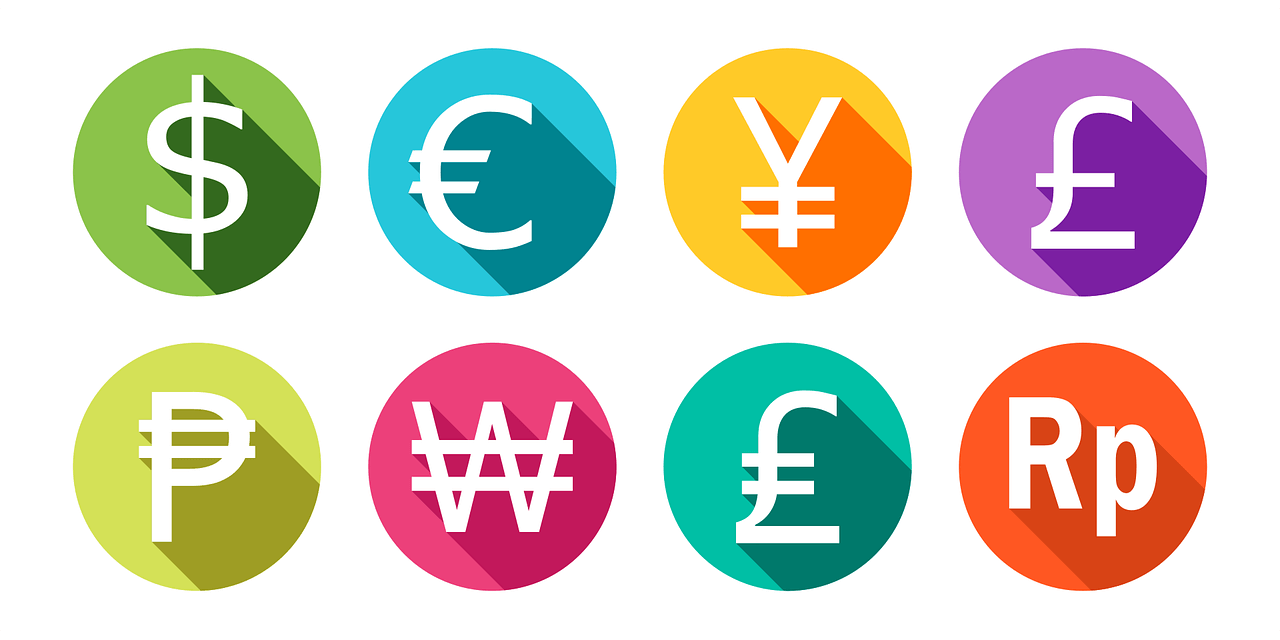
In forex trading, you never buy or sell a single currency. You always trade in pairs.
Let me show you what that means.
How to Read a Currency Pair
Take EUR/USD (euro/U.S. dollar).
EUR = base currency (the first one)
USD = quote currency (the second one)
The pair tells you: "How many U.S. dollars does it take to buy 1 euro?"
If EUR/USD = 1.0830, that means 1 euro costs $1.08.
What Happens When the Price Moves?
If EUR/USD rises to 1.0900:
The euro is strengthening
The dollar is weakening
If it drops to 1.0800:
The euro is weakening
The dollar is strengthening
Your job as a trader? Predict which direction it's headed and position yourself accordingly.
The Most Traded Pairs
Major pairs (most liquid, tightest spreads):
EUR/USD (euro/dollar)
GBP/USD (British pound/dollar)
USD/JPY (dollar/Japanese yen)
USD/CHF (dollar/Swiss franc)
These are where beginners should focus. Exotic pairs might look tempting, but they're harder to trade and come with wider spreads (the broker’s compensation for executing a trade).
Essential Forex Concepts You Must Know

What's a Pip?
A pip is the smallest price movement in forex.
For most pairs, 1 pip = 0.0001.
Example: EUR/USD moves from 1.0850 to 1.0851—that's 1 pip.
For yen pairs, 1 pip = 0.01 (because yen values are already small numbers).
Why does this matter? Because pips determine your profit and loss.
Lot Sizes (How Much Are You Actually Trading?)
A lot is your trade size; how much currency you're controlling.
Here's the breakdown:
Standard lot = 100,000 units (~$10 per pip)
Mini lot = 10,000 units (~$1 per pip)
Micro lot = 1,000 units (~$0.10 per pip)
Nano lot = 100 units (~$0.01 per pip)
If you're just starting? Stick with micro or nano lots. Seriously.
You want to learn consistency, without blowing through your account.
Understanding Spread (The Cost You Pay):
Every forex broker shows two prices:
Bid = price you sell at
Ask = price you buy at
The difference between them is the spread, essentially the broker's fee.
Example:
Bid: 1.0850
Ask: 1.0852
Spread: 2 pips
Every trade begins slightly in the negative due to this spread. This is one of the reasons why random and impulsive trades don’t usually succeed, because you’re already starting at a disadvantage.
Going Long vs. Going Short:
Going long (buying): You think the base currency will strengthen.
Going short (selling): You think the base currency will weaken.
You can profit in forex whether prices go up or down. That's one of its biggest advantages.
A Simple Trade Example
Let's say you believe the euro is about to strengthen against the dollar.
Your action: You buy EUR/USD at 1.0850.
Outcome 1: EUR/USD rises to 1.0900. You exit with a 50-pip profit.
Outcome 2: EUR/USD drops to 1.0800. You hit your stop-loss and take a 50-pip loss.
The market doesn't care why you entered. Risk management is essential.
Market Orders vs. Pending Orders:
Market order: Executes immediately at the current price. You want in right now.
Pending orders: You set conditions for entry in advance.
Types:
Buy Limit – Buy when price drops to a certain level
Sell Limit – Sell when price rises to a certain level
Buy Stop – Buy when price breaks above a level
Sell Stop – Sell when price breaks below a level
Pending orders help remove emotion. You plan the trade, then let the market approach your set conditions.
Leverage and Margin:
Here's where things get dangerous.
What Is Leverage?
Leverage lets you control a large position with a small amount of money.
Example: 1:100 leverage means your $1,000 controls $100,000 worth of currency.
Sounds amazing, right?
It is, until it isn't.
Why Leverage Is a Double-Edged Sword
Leverage amplifies everything.
A 1% move in your favour on a $100,000 position = $1,000 profit.
A 1% move against you = $1,000 loss.
If you only deposited $1,000, that one bad trade can wipe you out completely.
Most beginners fail not because their analysis is bad. They fail because they use way too much leverage.
What Is Margin?
Margin is the deposit required to open a leveraged trade. It's not a fee. It's collateral.
If your losses eat into your margin too much, your broker will:
Issue a margin call (a warning)
Automatically close your trades to protect themselves
This is how accounts get blown up in minutes.
Golden rule: Just because you can use high leverage doesn't mean you should.
What Actually Moves Forex Prices?
I. Central Banks and Interest Rates
This is the big one.
When a country's central bank raises interest rates, its currency typically strengthens. Why? Higher rates attract foreign capital.
When rates drop, the currency weakens.
Watch the Federal Reserve (U.S.), European Central Bank, Bank of England, and Bank of Japan. Their decisions move markets.
II. Economic Data Releases
Reports that impact the forex world:
GDP growth
Inflation (CPI)
Employment numbers (like U.S. Non-Farm Payrolls)
Retail sales
Markets don't just react to the numbers; they react to whether those numbers beat or miss expectations.
III. Geopolitics and Risk Sentiment
Elections. Wars. Trade disputes. Global instability.
All of it impacts currencies.
When fear spikes, traders flock to "safe-haven" currencies like the Swiss franc, or Japanese yen.
When optimism returns, riskier currencies (like the Australian dollar) tend to rise.
IV. Supply and Demand (The Foundation)
At the end of the day, price moves because of one thing:
More buyers than sellers? Price goes up.
More sellers than buyers? Price goes down.
Everything else (technical indicators, news, sentiment, etc.) is simply attempting to predict this imbalance.
Technical Analysis vs. Fundamental Analysis
You'll hear traders argue about which approach is better.
Technical analysis: Charts, patterns, indicators (moving averages, RSI, MACD). Read this article to learn more.
Fundamental analysis: Economic data, central bank policy, macroeconomic trends. Read this article to learn more.
The truth? Most successful traders use both.
Fundamentals tell you what might move. Technicals help you time when to enter.
Your Trading Platform:
Most retail traders use MetaTrader 4 (MT4) or MetaTrader 5 (MT5).
These platforms let you:
View live charts
Execute trades
Set automated orders
Track your trade history
Manage risk management tools
Stop-Loss and Take-Profit (Non-Negotiable)
A stop-loss automatically exits your trade if it moves against you.
A take-profit locks in gains when your target is hit.
Trading without stop-losses is pure gambling. You're just hoping and praying, and hope isn't a strategy.
Set your stops before you enter. Every single time.
How to Start Forex Trading the Smart Way
Step 1: Educate Yourself First
Don't fund an account until you understand what you're doing.
Read. Watch tutorials. Study how the market works.
Step 2: Practice on a Demo Account
Every decent broker offers a demo account, a risk-free practice environment with fake money.
Use it. For weeks. Maybe months.
Learn how the platform works. Test strategies. Make mistakes without consequences.
Step 3: Build a Simple Trading Plan
Your plan should include:
Entry criteria: What conditions must be met before you trade?
Risk rules: How much are you willing to lose per trade?
Exit strategy: When do you take profit or cut losses?
Without a plan, you're winging it. And winging it = losing money.
Step 4: Journal Every Trade
Write down:
Why you entered
What happened
What you learned
Improvement only comes from review. If you don't journal your trades, you'll repeat the same mistakes forever.
Step 5: Start Small (Seriously)
When you go live, use micro lots or nano lots.
Your goal isn't to get rich in month one. It's to survive long enough to learn.
The Hard Truths About Forex Trading
Most Traders Lose Money
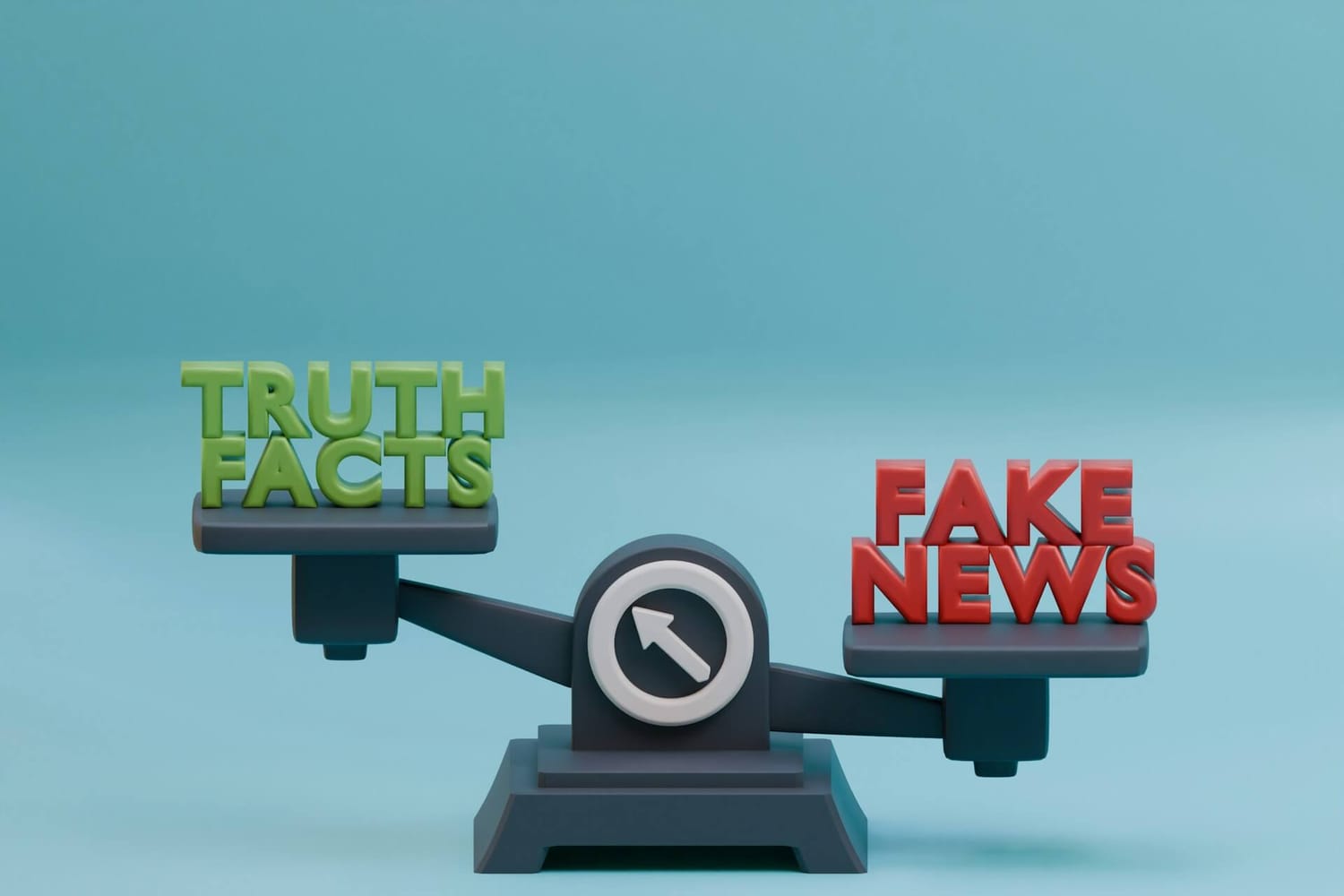
Estimates say 70-90% of retail forex traders lose.
Why?
Overtrading (taking too many impulsive trades)
Overleverage (risking too much per trade)
No risk management (ignoring stop-losses)
Risk Management Is Everything
Never risk more than 1-2% of your account on a single trade.
If you have $1,000, that means risking $10-$20 max, per trade.
As a beginner, I encourage you to risk even less than 1% per trade.
Boring? Maybe. But it's what keeps you alive.
Psychology Will Make or Break You
Fear. Greed. Revenge trading.
These emotions destroy accounts faster than bad strategy ever could.
Discipline is more important than knowledge in this game.
This Is a Long-Term Skill
Think in years, not weeks.
If you approach forex trading expecting quick wins, you'll be disappointed. This is a performance-based skill that takes time to develop.
Final Thoughts: What Forex Trading Really Is (And Isn't)
Let's be brutally honest.
Forex trading is NOT:
A shortcut to wealth
Passive income
A way to escape your 9-to-5 in 30 days
It IS:
A legitimate, performance-based skill
A discipline-first activity
A long-term learning process
Before you open an account, ask yourself: Am I willing to treat this like a craft?
If the answer is yes, start small. Learn deliberately. Respect the market's power.
If you are prepared to take that initial step, you can open a demo account today and begin practising. Don't put any money at risk. Focus on the charts, and the process of learning.
That's how real traders are built.




Trending
It's possible, even without an SSN.
Discover key qualities to consider when choosing right.
Learn what contributes to a successful business launch.
Deals & Promotions

You can also gain unlimited free access to Exclusive Content and Offers.

2026 © MitchelleO.D. All Rights Reserved.
Disclaimer: As an Amazon Associate, we earn from qualifying purchases. We may participate in additional affiliate networks or programs beyond Amazon.
Visit our Affiliate Disclosure Page to learn more.