

Email Marketing for Beginners: How to Build, Grow, and Monetize Your List in 2026


Disclaimer
Some links may earn us a small commission at no extra cost to you.
Click here to read our full affiliate disclosure.
Disclaimer
We believe in complete transparency with our audience.
Some links may earn us a small commission at no extra cost to you.
Please know that we only recommend products/services we have personally used, thoroughly researched, and genuinely believe can benefit our audience.
We are immensely grateful for every click and purchase you make through these links. Thank you for being a part of our community and for your continued support!
Click here to read our full affiliate disclosure.
Let me tell you something that takes most online creators way too long to figure out.
Followers are rented. Your email list is owned.
Your Instagram account can get banned overnight. Your TikTok reach can drop 80% because of an algorithm update you had zero say in. But your email list? Nobody can touch that. It's yours. And when you treat it right, it becomes the most reliable income asset you'll ever build online.
This guide will take you step-by-step through the essentials of email marketing for beginners. You'll learn how to choose the right platform, create an enticing lead magnet, craft your first email sequence, and ultimately convert subscribers into paying customers.
Why Email Marketing Still Beats Every Other Channel
Here's a stat worth sitting with: for every $1 spent on email marketing, the average return is around $36–$42. That's not a typo.
Social media is great for discovery. But email marketing is where the actual money gets made. People who opt into your list have already raised their hand and said, “I'm interested in what you have to say”. That's a completely different relationship than someone who scrolled past your Reel.
Three reasons email consistently wins:
1. You own the audience. Platforms change. Algorithms shift. Your list doesn't disappear when a social media company shifts its monetisation strategy.
2. Conversion rates are higher. Email converts 3–5x better than social media for product sales, on average. An engaged list of 1,000 people will usually outperform 10,000 followers who barely see your posts.
3. Direct access, no middleman. You send an email, and it goes into an inbox. No bidding for reach, no competing with memes and drama. It's just you and your reader.
How to Do Email Marketing (Step-By-Step Guide)

Step 1: Get Clear on Your Goal Before You Touch Any Tool
Most beginners skip this and end up building a list that goes nowhere.
Ask yourself: Why am I building this list? Are you in the process of selling a digital product such as a course, template, or an ebook? Are you promoting affiliate offers? Are you focused on building a personal brand with the intention of selling services in the future?
Your goal influences many aspects, including the type of lead magnet that you create, the way you write your emails, and the products or services that you pitch.
Pick one goal. Don't try to do all of them at once.
Step 2: Choose a Platform That Won't Overwhelm You
There are dozens of email marketing platforms out there — Mailchimp, Kit, ActiveCampaign, Klaviyo. They're all fine. But for beginners? Many are simply too complex and often come with hefty price tags.
If you're just starting, Systeme.io is hard to beat. Unlike other platforms that charge you extra for every little feature, Systeme.io's free plan covers unlimited emails up to 2,000 contacts and includes landing pages, email automation, funnels, an online course builder, a blog, and even affiliate program management (things competitors either lock behind premium tiers or don't offer at all).
And when you do eventually upgrade, the paid plans cost a fraction of what you'd pay elsewhere. Plus, you avoid the chaos of juggling six different tools, or the burden of multiple subscriptions eating away at your budget before you even make your first sale.
Step 3: Create a Lead Magnet People Actually Want
Nobody hands over their email address for nothing. You need to offer something valuable enough that they’ll think, "Yeah, that's worth it."
A lead magnet is a free resource you give in exchange for an email signup. And here's where most people get it wrong: they make it too broad.
"Free guide to making money online" is too vague. Nobody knows if it's relevant to them.
"5-day email sequence template for selling your first digital product" is specific, actionable, targeted. People know exactly what they're getting and who it's for.
Great lead magnet formats that convert well:
Checklists (fast to create, high perceived value)
Templates (people love plug-and-play resources)
Mini email courses (positions you as the expert from day one)
Swipe files or resource lists (especially useful in marketing, copywriting, or business niches)
Short PDF guides that solve one specific problem
The rule is simple: solve one problem for one person. If your lead magnet tries to help everyone, it'll resonate with no one.
Step 4: Build a Landing Page That Converts
Your landing page (the first step in a funnel) is the place where people who don’t know you become subscribers. It does not have to be fancy. In fact, a simpler design tends to convert at a higher rate.
A high-converting landing page for an email list has four things:
A clear headline that states exactly what the visitor will get
Two or three bullet points highlighting the benefits (not features, benefits)
Social proof if you have it (even a line like "Join 800+ readers" works)
One email form with a single call-to-action button
That's it. No videos required. No 2,000-word sales page. Clarity is the key to conversion. If a person has to think too much about what they’re signing up for, they’ll exit.
Step 5: Write a Welcome Sequence That Builds Real Trust
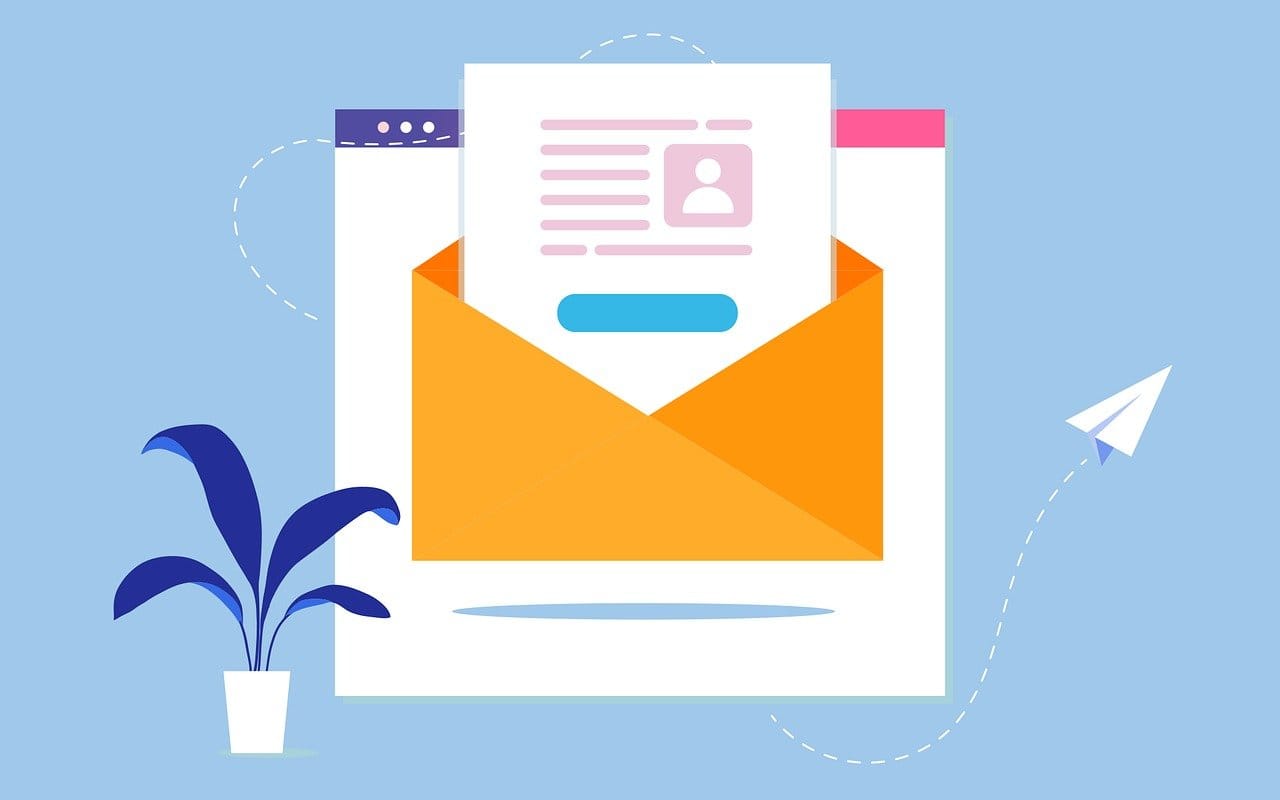
This is where most email list-building efforts fall apart. Someone joins your list, gets the freebie, and then... silence. Or worse, an immediate pitch for a $497 course.
You need a welcome sequence: a series of 5–7 emails that runs automatically after someone subscribes. Think of it as a first conversation, not a sales call.
Here's a structure that works:
Email 1 — Deliver and welcome. Send the lead magnet. Keep it short and warm. Tell them what's coming next.
Email 2 — Your story. Share why you care about this topic. Be specific and honest. People buy from people, not brands.
Email 3 — Pure value. Teach something useful that's directly related to why they signed up. Ask nothing in return.
Email 4 — Identify the problem. Name the frustration they're probably feeling. "You've probably tried X and hit Y wall..." This builds a connection fast.
Email 5 — Introduce your solution. Now you can mention a product, course, or affiliate offer, not as a hard sell, but as a natural next step. "Here's what helped me get past that exact problem."
The sequence builds trust before it asks for anything. That's the whole game.
Related Blog Post: 5 Email Sequences That Sell Digital Products on Autopilot
Step 6: Drive Traffic to Your Signup Page
A beautifully crafted landing page with zero visitors is just... a pretty webpage. You need people to actually find it.
The best traffic sources for beginners who are building an email subscriber list from scratch:
Blogging + SEO — Write posts targeting search terms your ideal subscriber is already Googling. A post that ranks for "how to create a course" can drive steady signups for years without you lifting a finger.
YouTube — Video builds trust faster than almost anything else. Even a small channel with helpful, searchable content will send warm, qualified subscribers to your list.
Pinterest — Underrated for most niches. Pinterest is a visual search engine, not a social network. A well-designed pin with a clear value proposition can drive traffic for months.
Short-form content (TikTok/Reels/Shorts) — Lower intent than search, but high volume. Works well if you're consistent and have a clear call-to-action pointing people to your freebie.
The core principle: content attracts, email converts. Your content is the front door. Your email list is where the real relationship starts.
Step 7: Sell Without Feeling Slimy
Here’s the change in thinking that alters everything. Selling through email should not involve persuading someone to purchase something they don’t need. It should be about demonstrating to someone who already has a problem that you have the solution to that problem.
When you've spent three weeks teaching someone useful things, genuinely helping them, sharing your real story (and then you say "here's a tool that helped me go further"), that's not a pitch. That's a recommendation from someone they trust.
The email marketing strategy that converts best follows this rhythm: teach, teach, teach, then offer. Not: offer, offer, offer, apologise, offer again.
Wait until someone knows who you are before asking them to spend money with you. It sounds obvious. But most people don't do it.
Step 8: Automate It So It Runs Without You
Once your sequence is written and your landing page is live, the system should run on its own.
At 2am in a different time zone, a person finds your blog post and then signs up. Over the course of the next week, they go through your welcome sequence and then eventually make a purchase while you're asleep.
That's email automation in action. It's not passive income in the "do nothing" sense. You do the work upfront: building the content, writing the emails, creating the product. But then it scales without you being present for every transaction.
Platforms like Systeme.io, Kit, or ActiveCampaign all let you set up trigger-based sequences. Email 1 sends immediately, email 2 can be sent 24 hours later, email 3 sends 3 days after that and so on. You set it once and let it run.
Step 9: Track the Right Numbers
You don't need a data science degree to improve your email performance. Watch three metrics:
Open rate — Are your subject lines compelling? Industry average is around 20–25%. Below 15%? Your subject lines need work.
Click rate — Are people actually clicking your links? If your open rate is solid but click rate is low, your email body or call-to-action needs to be clearer.
Conversion rate — Of the people who clicked, how many bought? This is about your offer and your sales page.
Improve one thing at a time. Test a new subject line format for two weeks. Then improve your CTA. Small, consistent tweaks compound into big results over months.
Common Mistakes That Kill Email Lists Early

A few things that are worth avoiding, especially in the first 90 days:
Waiting until everything is perfect to launch. A basic landing page with a simple lead magnet beats an elaborate funnel you're still building six months from now.
Going weeks without emailing. If you only show up when you have something to sell, your subscribers will feel it. Send at least one valuable email per week, even if it's short.
Writing like a corporate newsletter. Use contractions. Share opinions. Tell stories. Your emails should sound like they came from a human, not a press release.
Pitching too early. If email 1 or 2 is already trying to sell something, expect high unsubscribe rates. Earn trust first.
How Long Before You See Real Results?
Honest answer: it depends on your traffic and consistency, but here's a realistic picture.
First subscribers: within days of launching if you're driving any traffic at all
First sale through email: typically 4–12 weeks in, once your sequence is running
Consistent, predictable income: 6–12 months of steady content and list growth
Email marketing is a compounding asset. The list you build this month is still working for you in two years. Unlike a social media post that dies in 48 hours, an email sequence you write today keeps onboarding and converting subscribers indefinitely.
Your Simplified Starting Point
If you've read this far and you're feeling the itch to start, here's the only to-do list you need right now:
Pick your niche — who do you help, and with what?
Create one lead magnet — solve one specific problem
Build one landing page — headline, bullets, form
Write 5 welcome emails — welcome, story, value, problem, solution
Start one traffic channel — blog, YouTube, or Pinterest
Don't build six landing pages. Don't buy three tools. Don't spend two weeks on your logo. Do the five things above, and you'll be ahead of 90% of people who think about starting email marketing but never do.
Final Thoughts
Email marketing doesn't have to be complicated. A lead magnet, a landing page, five emails, and a source of traffic. That's the whole foundation.
Individuals who achieve success are not those who hold off until they develop the ideal plan. They’re the ones who began imperfectly and made progress over time.
Next step: Learn how to write email sequences that sell digital products on autopilot, or dive into how to build a simple sales funnel that does the heavy lifting for you.





Trending
It's possible, even without an SSN.
Discover key qualities to consider when choosing right.
Learn what contributes to a successful business launch.

Deals & Promotions
You can also gain unlimited free access to Exclusive Content and Offers.

2026 © MitchelleO.D. All Rights Reserved.
Disclaimer: As an Amazon Associate, we earn from qualifying purchases. We may participate in additional affiliate networks or programs beyond Amazon.
Visit our Affiliate Disclosure Page to learn more.