


How to Increase Savings Without Sacrificing Your Lifestyle


Disclaimer
Some links may earn us a small commission at no extra cost to you.
Click here to read our full affiliate disclosure.
Disclaimer
We believe in complete transparency with our audience.
Some links may earn us a small commission at no extra cost to you.
Please know that we only recommend products/services we have personally used, thoroughly researched, and genuinely believe can benefit our audience.
We are immensely grateful for every click and purchase you make through these links. Thank you for being a part of our community and for your continued support!
Click here to read our full affiliate disclosure.
Let's be real. Most savings advice is terrible.
People say things like, “Cut your lattes”, “Stop eating out”, “Cancel Netflix”. You've heard it all, and if those suggestions worked, you wouldn't be reading this right now.
The truth is, extreme frugality fails most people because it treats saving money like punishment. And nobody sticks to punishment long-term.
You don't need to sacrifice your lifestyle to increase savings. You need a smarter system that aligns with your natural spending habits instead of opposing them. That's exactly what this guide covers.
Let's be real. Most savings advice is terrible.
People say things like, “Cut your lattes”, “Stop eating out”, “Cancel Netflix”. You've heard it all, and if those suggestions worked, you wouldn't be reading this right now.
The truth is, extreme frugality fails most people because it treats saving money like punishment. And nobody sticks to punishment long-term.
You don't need to sacrifice your lifestyle to increase savings. You need a smarter system that aligns with your natural spending habits instead of opposing them. That's exactly what this guide covers.
The Mindset Shift That Changes Everything

Here's a reframe worth sitting with: saving isn't about spending less. It's about keeping more of what you earn, on purpose.
It may seem like semantics, but it’s much more than that. When you focus on "spending less", your mind often interprets it as deprivation. However, when you shift your perspective to "keeping more", you take control. You're deciding where your money goes instead of just watching it disappear.
This is the foundation of sustainable personal finance. Spend freely on what genuinely matters to you. Cut ruthlessly on what doesn't. The goal isn't a smaller life — it's a more deliberate one.
Here's a reframe worth sitting with: saving isn't about spending less. It's about keeping more of what you earn, on purpose.
It may seem like semantics, but it’s much more than that. When you focus on "spending less", your mind often interprets it as deprivation. However, when you shift your perspective to "keeping more", you take control. You're deciding where your money goes instead of just watching it disappear.
This is the foundation of sustainable personal finance. Spend freely on what genuinely matters to you. Cut ruthlessly on what doesn't. The goal isn't a smaller life — it's a more deliberate one.
How to Increase Your Savings

Step 1: Figure Out What You Actually Value Spending On
This is the most underrated step in any budgeting strategy, and most people skip it entirely.
Grab a pen or open your notes app. Ask yourself honestly: What spending actually makes my life better? Maybe it's travel. Maybe it's good food, your gym membership, or weekend brunches with friends. Whatever brings you joy, hold onto it. Embrace it without guilt or hesitation.
Everything else is on the table.
The subscriptions you might not even remember having? Gone. The delivery app you use three times a week out of laziness? It’s worth reconsidering. The goal here isn’t to take away your enjoyment; it’s to help you stop wasting money on things that have slipped under your radar.
Step 2: Hunt Down Your "Low-Value" Expenses
Once you know what you value, the low-value stuff gets surprisingly easy to spot.
Go through your last two months of bank statements and categorise every expense as either "This adds real value to my life" or "Meh". The "meh" pile represents your potential savings.
Usual suspects that many people encounter:
Unused subscriptions — the average person is paying for 4-6 subscriptions they've completely forgotten about
Convenience spending — ordering delivery because you didn't plan lunch, not because you wanted it
Impulse purchases — things you bought, used once, and haven't touched since
Auto-renewals — software, apps, and memberships you signed up for ages ago
Cutting these doesn't hurt. You won't miss them next week, let alone next month. And even trimming $80–150/month from this category adds up to $1,000–1,800 per year, without changing how your life actually feels.
Step 3: Automate Your Savings Before You Can Spend It
This habit stands out as the most impactful strategy in personal finance.
Here's how most people save: they spend throughout the month, then save whatever's left over. The problem? There's rarely anything left over. Life fills the space.
Flip the script entirely. The moment your paycheck hits, automatically transfer a set amount into savings before you touch anything else. Most banks let you schedule this in five minutes. Set it, forget it, done. It’s even more effective when the transfer is made to an account that’s not within the same bank.
Why does this work so well? Because you can't spend what you don't see. Your brain adjusts to the "new normal" of your spending account balance, and within a couple of months, you barely notice the transfer. Meanwhile, your savings account is quietly stacking.
Start with whatever feels painless, even $20 or $50 a month. As you establish this habit, gradually increase your contributions.
Step 1: Figure Out What You Actually Value Spending On
This is the most underrated step in any budgeting strategy, and most people skip it entirely.
Grab a pen or open your notes app. Ask yourself honestly: What spending actually makes my life better? Maybe it's travel. Maybe it's good food, your gym membership, or weekend brunches with friends. Whatever brings you joy, hold onto it. Embrace it without guilt or hesitation.
Everything else is on the table.
The subscriptions you might not even remember having? Gone. The delivery app you use three times a week out of laziness? It’s worth reconsidering. The goal here isn’t to take away your enjoyment; it’s to help you stop wasting money on things that have slipped under your radar.
Step 2: Hunt Down Your "Low-Value" Expenses
Once you know what you value, the low-value stuff gets surprisingly easy to spot.
Go through your last two months of bank statements and categorise every expense as either "This adds real value to my life" or "Meh". The "meh" pile represents your potential savings.
Usual suspects that many people encounter:
Unused subscriptions — the average person is paying for 4-6 subscriptions they've completely forgotten about
Convenience spending — ordering delivery because you didn't plan lunch, not because you wanted it
Impulse purchases — things you bought, used once, and haven't touched since
Auto-renewals — software, apps, and memberships you signed up for ages ago
Cutting these doesn't hurt. You won't miss them next week, let alone next month. And even trimming $80–150/month from this category adds up to $1,000–1,800 per year, without changing how your life actually feels.
Step 3: Automate Your Savings Before You Can Spend It
This habit stands out as the most impactful strategy in personal finance.
Here's how most people save: they spend throughout the month, then save whatever's left over. The problem? There's rarely anything left over. Life fills the space.
Flip the script entirely. The moment your paycheck hits, automatically transfer a set amount into savings before you touch anything else. Most banks let you schedule this in five minutes. Set it, forget it, done. It’s even more effective when the transfer is made to an account that’s not within the same bank.
Why does this work so well? Because you can't spend what you don't see. Your brain adjusts to the "new normal" of your spending account balance, and within a couple of months, you barely notice the transfer. Meanwhile, your savings account is quietly stacking.
Start with whatever feels painless, even $20 or $50 a month. As you establish this habit, gradually increase your contributions.
Step 4: Optimise Your Three Biggest Expenses
Many saving tips miss the mark by focusing excessively on minor expenses. While skipping that latte, packing your lunch, or using coupons can contribute to your savings, they only make a small difference. The real financial impact lies elsewhere.
Big wins come from big categories. For most people, that means housing, transportation, and food. Shaving even 10–15% off any of these beats a year of skipping coffees.
Some practical angles:
Housing: If you're renting, it's absolutely worth calling your landlord and asking about renewal rates before they go up. Many landlords would rather negotiate than find a new tenant. Even $50–100/month in rent savings is $600–1,200/year.
Transportation: Could you refinance a car loan at a lower rate? Is there one day a week you could take transit or carpool to cut fuel costs? Are you over-insured on an older vehicle?
Food: Meal planning isn't glamorous, but cooking four dinners a week instead of just two truly makes a difference. You don’t need to prepare every single meal, just enough to avoid the temptation of ordering takeout when you’re feeling tired and unprepared.
Step 5: Increase Your Income, And Don't Upgrade Your Lifestyle
Many savings articles overlook this, yet it's arguably the most powerful tool at your disposal.
Lifestyle creep is silent and brutal. You get a raise, so you upgrade your car. You land a new client, so you move to a nicer apartment. Before long, the extra income is gone, and you're no better off than before.
The alternative: every time your income increases, direct half of that increase straight to savings before it influences your lifestyle. If you get a $400/month raise, automate $200 of it into savings on day one. You'll barely feel the lifestyle difference, but your savings rate will jump significantly.
On the income side, consider:
Negotiating your current salary — it's the highest-ROI financial conversation you can have
Building a small side income doing something you're already good at
Developing a skill that makes you more valuable (and more hireable) over time
You don't need a side hustle empire. An extra $200–300/month that goes straight to savings adds $2,400–3,600/year to your financial picture.
Step 6: Use Simple "Spending Buckets" to Stay on Track
Budgeting apps are great, if you actually use them. Most people don't.
A simple alternative system that actually works: three buckets.
Essentials — rent, utilities, groceries, insurance. Fixed and non-negotiable.
Lifestyle — dining out, entertainment, travel, shopping. Spend freely within the bucket.
Savings — already automated before you see the money (Step 3 above).
That's it. Once your lifestyle bucket is empty for the month, you're done spending on non-essentials. No guilt, no tracking every transaction, no complicated categories. The simplicity is the point since complexity is what kills consistency.
Step 4: Optimise Your Three Biggest Expenses
Many saving tips miss the mark by focusing excessively on minor expenses. While skipping that latte, packing your lunch, or using coupons can contribute to your savings, they only make a small difference. The real financial impact lies elsewhere.
Big wins come from big categories. For most people, that means housing, transportation, and food. Shaving even 10–15% off any of these beats a year of skipping coffees.
Some practical angles:
Housing: If you're renting, it's absolutely worth calling your landlord and asking about renewal rates before they go up. Many landlords would rather negotiate than find a new tenant. Even $50–100/month in rent savings is $600–1,200/year.
Transportation: Could you refinance a car loan at a lower rate? Is there one day a week you could take transit or carpool to cut fuel costs? Are you over-insured on an older vehicle?
Food: Meal planning isn't glamorous, but cooking four dinners a week instead of just two truly makes a difference. You don’t need to prepare every single meal, just enough to avoid the temptation of ordering takeout when you’re feeling tired and unprepared.
Step 5: Increase Your Income, And Don't Upgrade Your Lifestyle
Many savings articles overlook this, yet it's arguably the most powerful tool at your disposal.
Lifestyle creep is silent and brutal. You get a raise, so you upgrade your car. You land a new client, so you move to a nicer apartment. Before long, the extra income is gone, and you're no better off than before.
The alternative: every time your income increases, direct half of that increase straight to savings before it influences your lifestyle. If you get a $400/month raise, automate $200 of it into savings on day one. You'll barely feel the lifestyle difference, but your savings rate will jump significantly.
On the income side, consider:
Negotiating your current salary — it's the highest-ROI financial conversation you can have
Building a small side income doing something you're already good at
Developing a skill that makes you more valuable (and more hireable) over time
You don't need a side hustle empire. An extra $200–300/month that goes straight to savings adds $2,400–3,600/year to your financial picture.
Step 6: Use Simple "Spending Buckets" to Stay on Track
Budgeting apps are great, if you actually use them. Most people don't.
A simple alternative system that actually works: three buckets.
Essentials — rent, utilities, groceries, insurance. Fixed and non-negotiable.
Lifestyle — dining out, entertainment, travel, shopping. Spend freely within the bucket.
Savings — already automated before you see the money (Step 3 above).
That's it. Once your lifestyle bucket is empty for the month, you're done spending on non-essentials. No guilt, no tracking every transaction, no complicated categories. The simplicity is the point since complexity is what kills consistency.
Step 7: Track Progress Without Obsessing Over Every Cent
You don't need to monitor your finances daily. That can lead to unnecessary anxiety and burnout.
Instead, build in a simple weekly check-in; five minutes, tops. Glance at your spending bucket balance and make sure you're roughly on track. Once a month, look at how your savings account has grown. That monthly number is your motivation. Watching it climb, even slowly, reinforces the habit better than any app notification.
The goal is awareness, not obsession. You want to stay connected to your money without making it the centre of your life.
What This Looks Like in Real Life
Let's put some numbers on it so this isn't just theory.
Say you:
Identify and cut $80/month in subscriptions and low-value spending
Automate $150/month into savings immediately after payday
Pick up a small freelance gig worth $200/month extra income, all of which goes to savings
That's $430/month (over $5,000 per year) without changing how your daily life feels. No deprivation experienced.
Scale those numbers up as your income grows and your habits solidify, and you're looking at a genuinely different financial trajectory within 12–24 months.
Step 7: Track Progress Without Obsessing Over Every Cent
You don't need to monitor your finances daily. That can lead to unnecessary anxiety and burnout.
Instead, build in a simple weekly check-in; five minutes, tops. Glance at your spending bucket balance and make sure you're roughly on track. Once a month, look at how your savings account has grown. That monthly number is your motivation. Watching it climb, even slowly, reinforces the habit better than any app notification.
The goal is awareness, not obsession. You want to stay connected to your money without making it the centre of your life.
What This Looks Like in Real Life
Let's put some numbers on it so this isn't just theory.
Say you:
Identify and cut $80/month in subscriptions and low-value spending
Automate $150/month into savings immediately after payday
Pick up a small freelance gig worth $200/month extra income, all of which goes to savings
That's $430/month (over $5,000 per year) without changing how your daily life feels. No deprivation experienced.
Scale those numbers up as your income grows and your habits solidify, and you're looking at a genuinely different financial trajectory within 12–24 months.
Common Mistakes That Kill Your Progress
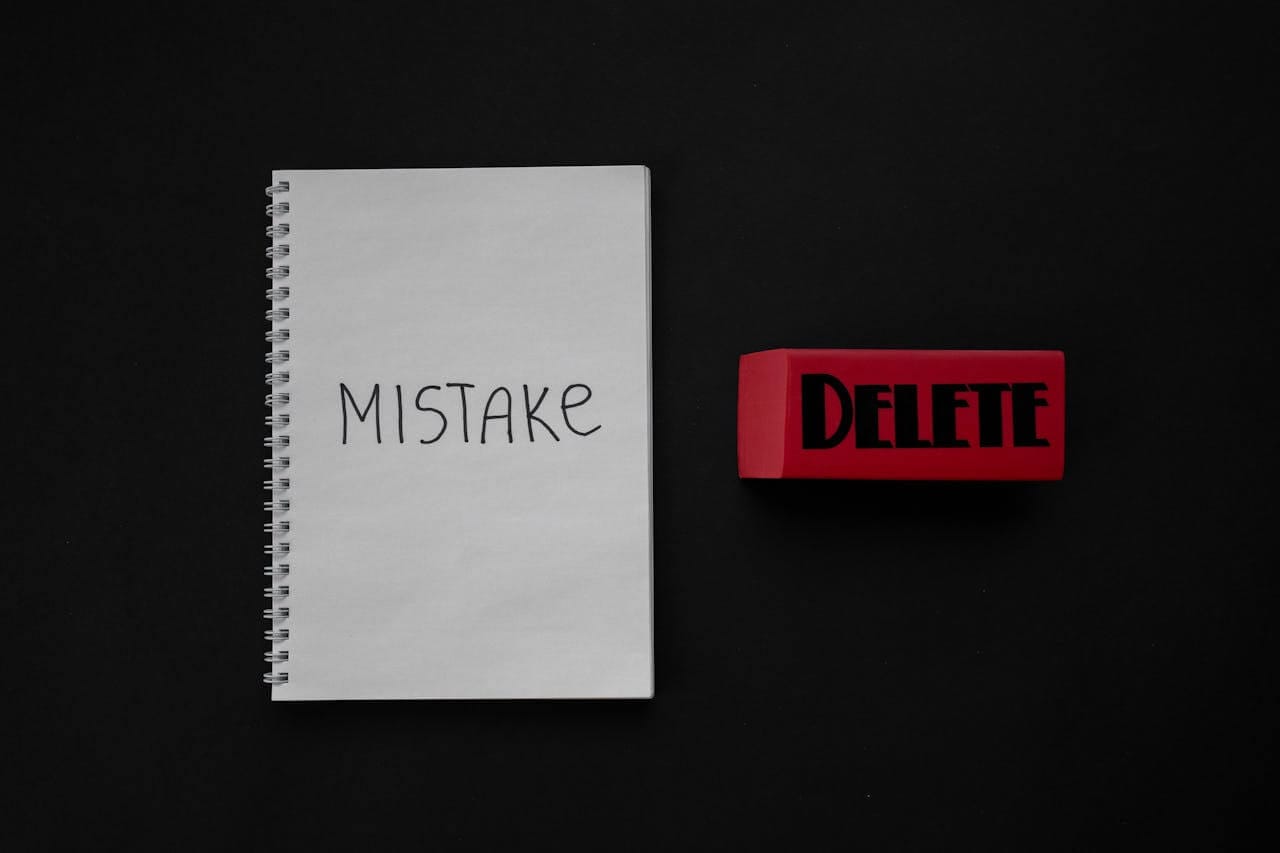
Cutting everything at once. You'll burn out in three weeks. Pick two or three changes and nail those before adding more.
Ignoring the slow leaks. That $12 subscription here, $18 there. They feel trivial individually, but three or four of them can create a noticeable dent in your monthly budget
Waiting until "a better time". There is no better time. The month you start automating savings, even a small amount, is the month your trajectory changes.
Overcomplicating the system. If your budgeting system requires 30 minutes a week to maintain, you will stop doing it. Keep it dead simple.
Your Savings Optimisation Checklist
Before you close this tab, run through these quickly:
✔ I know what I genuinely enjoy spending money on, and I'm protecting that
✔ I've reviewed my last two months of expenses for low-value spending
✔ I've set up (or scheduled) an automatic savings transfer
✔ I've looked at my top three expenses for optimisation opportunities
✔ My savings system is simple enough that I'll actually stick to it
Final Thoughts
Saving more money doesn't require suffering. It requires clarity about what you value, a simple system to protect that, and the patience to let compounding do its thing.
Cut what doesn't matter. Automate transfers before you spend money. Grow your income and don't let your lifestyle eat the increase. Review occasionally, adjust as needed, and keep going.
That's it. No extreme frugality. No joyless existence. Just smarter decisions that gradually add up to real financial stability, and eventually, real freedom.
Cutting everything at once. You'll burn out in three weeks. Pick two or three changes and nail those before adding more.
Ignoring the slow leaks. That $12 subscription here, $18 there. They feel trivial individually, but three or four of them can create a noticeable dent in your monthly budget
Waiting until "a better time". There is no better time. The month you start automating savings, even a small amount, is the month your trajectory changes.
Overcomplicating the system. If your budgeting system requires 30 minutes a week to maintain, you will stop doing it. Keep it dead simple.
Your Savings Optimisation Checklist
Before you close this tab, run through these quickly:
✔ I know what I genuinely enjoy spending money on, and I'm protecting that
✔ I've reviewed my last two months of expenses for low-value spending
✔ I've set up (or scheduled) an automatic savings transfer
✔ I've looked at my top three expenses for optimisation opportunities
✔ My savings system is simple enough that I'll actually stick to it
Final Thoughts
Saving more money doesn't require suffering. It requires clarity about what you value, a simple system to protect that, and the patience to let compounding do its thing.
Cut what doesn't matter. Automate transfers before you spend money. Grow your income and don't let your lifestyle eat the increase. Review occasionally, adjust as needed, and keep going.
That's it. No extreme frugality. No joyless existence. Just smarter decisions that gradually add up to real financial stability, and eventually, real freedom.
Ready to take it further? Once you've established a solid savings habit, the next step is to put that money to work. Check out our guide on Turning Financial Stability into Financial Freedom, because saving is just the start.




Trending
It's possible, even without an SSN.
Discover key qualities to consider when choosing right.
Learn what contributes to a successful business launch.

Deals & Promotions

You can also gain unlimited free access to Exclusive Content and Offers.

2026 © MitchelleO.D. All Rights Reserved.
Disclaimer: As an Amazon Associate, we earn from qualifying purchases. We may participate in additional affiliate networks or programs beyond Amazon.
Visit our Affiliate Disclosure Page to learn more.