


The 10 Biggest Lies Sold to Beginner Traders (And Why They’re So Dangerous)


Disclaimer
Some links may earn us a small commission at no extra cost to you.
Click here to read our full affiliate disclosure.
Disclaimer
We believe in complete transparency with our audience.
Some links may earn us a small commission at no extra cost to you.
Please know that we only recommend products/services we have personally used, thoroughly researched, and genuinely believe can benefit our audience.
We are immensely grateful for every click and purchase you make through these links. Thank you for being a part of our community and for your continued support!
Click here to read our full affiliate disclosure.
If you've been researching forex trading, you've probably seen the social media posts. Guy on a beach with a laptop. "Made $5,000 today while sipping cocktails”. Maybe you've watched YouTube videos promising you can turn $100 into $10,000 in a month.
It's all BS.
And I'm not saying that to ruin your hopes and dreams. I'm saying it because someone needs to tell you the truth before you blow through your savings, learning it the hard way.
The forex industry runs on selling dreams, not teaching reality. Beginner traders who are excited, hopeful, and ready to escape the 9-to-5, walk straight into these lies without realising they're being set up to fail.
Here's what nobody wants to acknowledge: most people don't fail at forex trading because the market is rigged or because trading doesn't work. They fail because they believed lies that were carefully designed to encourage them to open accounts and begin trading as fast as possible.
This article breaks down the 10 biggest lies sold to beginner traders, why they're dangerous, and what you actually need to know instead.
The Biggest Lies Sold to Beginner Traders
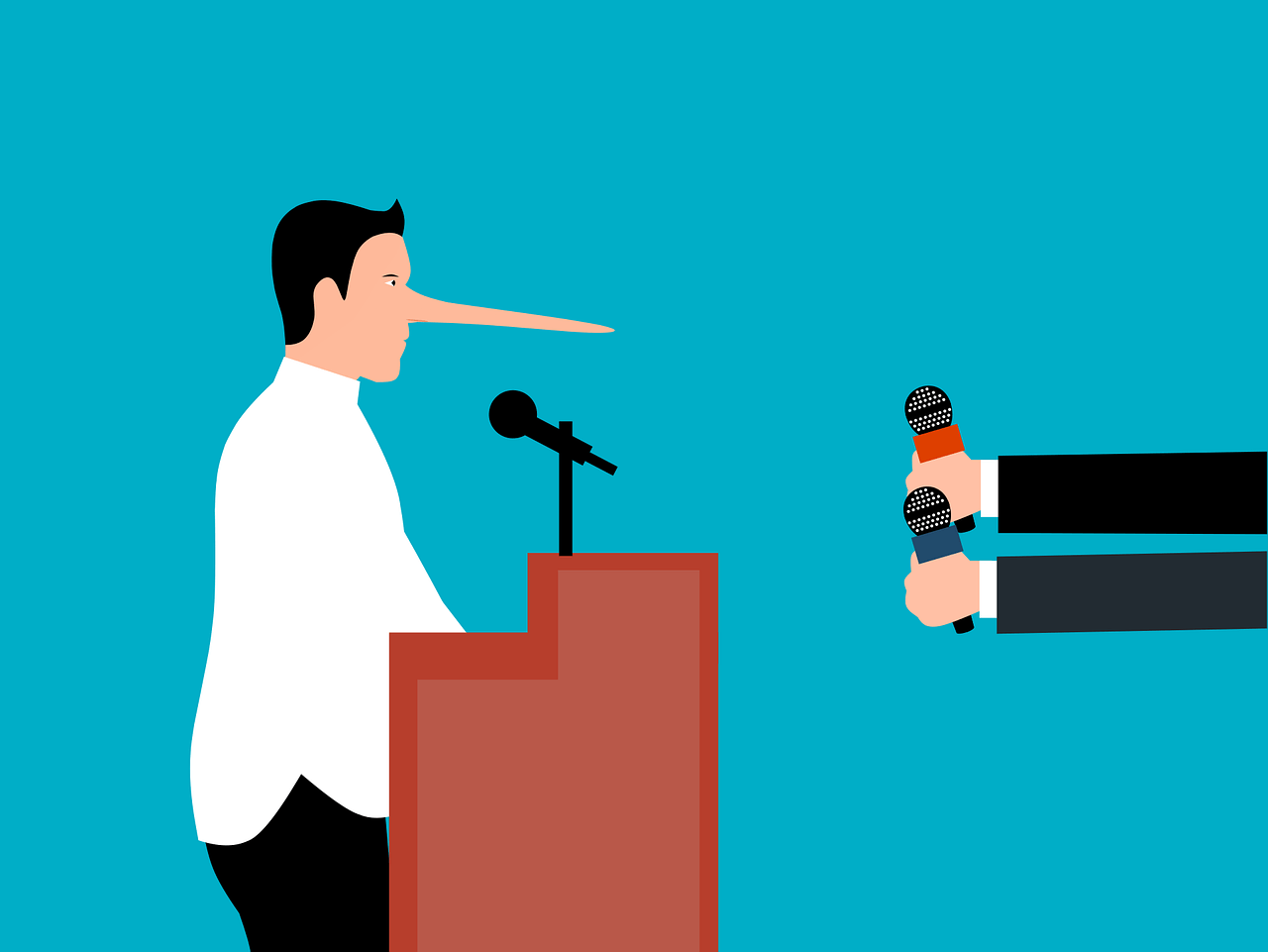
Lie #1: "Forex Trading Is an Easy Way to Make Money"
This is the big one. The lie that hooks everyone.
Forex gets promoted as the best side hustle. Work from anywhere. Be your own boss. Turn a few hundred bucks into financial freedom. Amazing, right?
But here's the reality: forex trading is one of the hardest ways to make money consistently.
I understand that this may seem contradictory. The mechanics are simple. You click buy, or you click sell. You watch the price move. Money appears, or money disappears. A five-year-old could understand this.
But that simplicity is exactly what makes it dangerous.
Why Beginners Fall for This Lie
Because forex looks easy from the outside. You don't need a degree. You don't need employees. You don't need inventory or a storefront. Just a laptop and an internet connection.
What you don't see is everything underneath:
Risk management that requires mathematical precision
Probability-based thinking that goes against your instincts
Emotional discipline most people spend years developing
Market uncertainty that humbles even experienced traders
Confusing simple mechanics with easy execution is the first mistake most traders make.
What Trading Actually Requires
Forget easy. Think mentally demanding. Emotionally exhausting. Statistically unforgiving.
You can do everything correctly, follow your plan perfectly, manage risk properly, execute with discipline, and you can still end up losing money on a trade. This situation is not a flaw. This is simply how it is.
The market doesn't care about your effort.
Easy systems collapse in weeks. Disciplined systems survive for years. That's the difference.
Lie #2: "Success Is Just About Finding the Right Strategy"

Walk into any trading community, and you'll hear this constantly.
"What's your strategy?" "What indicators do you use?" "Can you share your setup?"
As if success is just about finding the perfect combination of lines on a chart.
Strategy Obsession
I get why beginners believe this lie. Strategies are tangible. You can screenshot them. Package them into a course. Sell them for $997.
Psychology and discipline? Can't put those in a PDF.
So the industry sells what's easy to package, not what actually matters.
Two traders can apply the same strategy with identical entry rules, the same indicators, and the same timeframe, yet they can end up with very different outcomes.
One trader might achieve consistent profitability over time, while the other trader may lose their entire account within a span of three months. The question arises as to why this occurs.
Why?
What Actually Separates Winners from Losers
It's never the strategy. It's:
Risk management (how much you risk per trade)
Execution consistency (following your rules every time)
Emotional control (no revenge trading after a loss)
Trade selection (being patient enough to wait for A+ setups)
Most traders do not fail due to poor strategies. They fail because they cannot execute their strategies consistently when there is money at stake, especially in a nerve-wracking situation.
That's a psychology problem, not a strategy problem.
Lie #3: "High Win Rate = Profitable Trading"

Beginners are obsessed with winning percentage.
"What's your win rate?" "I need at least 70% winners to feel confident." "If I'm not winning most trades, something's wrong."
Wrong.
The Win Rate Trap
Here is a reality check that confuses many beginners.
You can win 80% of your trades and still lose money overall.
Let me give you a real example:
Trader A wins 8 out of 10 trades. But those 8 winners make $50 each ($400 total). Then 2 losers, each one $300 ($600 total). Net result: down $200.
Trader B wins only 4 out of 10 trades. But those 4 winners make $200 each ($800 total). The 6 losers each cost $50 ($300 total). Net result: up $500.
Who's the better trader? Trader B, every single time.
What Actually Determines Profitability
Your profitability doesn't come from how often you win. It comes from:
Your risk-to-reward ratio (are you risking $50 to make $150?)
Your ability to cut losses quickly
Your position sizing discipline
Your consistency over hundreds of trades
Winning often feels good. Winning correctly is what pays the bills.
Lie #4: "Leverage Is Your Friend"

Leverage is how forex brokers hook you. It sounds incredible. A small account can control large positions and has the potential for huge returns.
What they don't mention at all is the other side.
Why Leverage Destroys Beginners
Yes, leverage amplifies your gains. But it amplifies your losses with the exact same force.
Here's what happens in reality:
You open a position with 1:50 leverage. The market moves 2% against you (a small change in forex terms). But with that leverage, you've just lost 100% of your account. Game over.
Most beginners don't lose because they were wrong about market direction. They lose because they use too much leverage, and normal price movement wipes them out before they have a chance to be right.
How Professionals Actually Use Leverage
Professional traders treat leverage as a risk management tool, not a profit amplifier.
They use it to maintain smaller position sizes while keeping more cash in their account as a buffer. They survive first, profit second.
Beginners do the opposite. They use maximum leverage to maximise returns. Then they wonder why they can't survive a single losing streak.
Lie #5: "You Can Quit Your Job in a Few Months"

This is a prime example of emotional manipulation.
It targets people who feel trapped. Stuck in jobs they hate. Desperate for an escape route. And forex gets marketed as the fastest exit.
"Learn to trade. Quit in 3 months. Live the laptop lifestyle."
Why This Destroys More Accounts Than Anything Else
Because it creates impossible pressure.
When you need trading to work (when your rent relies on it, when you’ve already informed people that you’re quitting and have invested money you can’t afford to lose), you end up making bad decisions.
You overtrade because you need more winners. You overleverage because you need bigger gains. You ignore your risk rules because you're desperate.
Trading under financial pressure is a guaranteed path to failure.
The Reality About Trading Income
Forex trading is inconsistent in the short term. You might have a great month followed by two break-even months. Or a losing month that wipes out three months of gains.
Most profitable traders took years (not months) to become consistent. And during that learning period? They had external income. They traded without desperation. They could afford to be patient.
Trading grows best when you're not forcing it to pay your bills.
Lie #6: "Demo Trading Doesn't Matter"
Some influencers will tell you demo accounts are a waste of time.
"Demo is fake money. You only learn with real money. Just go live. It's faster."
This advice has destroyed more beginner trader accounts than bad strategies ever could.
Why Skipping Demo Is a Massive Mistake
I get the idea. Demo feels boring. There's no adrenaline. No real consequences. It's easy to dismiss.
But here's what beginners miss: demo trading isn't about the money.
It's about:
Learning how your platform actually works (trust me, otherwise you might accidentally make mistakes when executing a trade).
Testing your execution process until it's mechanical
Building consistency in a zero-pressure environment
Developing discipline before emotions get involved
If you can’t trade properly on a demo account and continue to break rules, engage in revenge trading, or disregard your trading plan, then you will not suddenly perform better when you start using real money.
Real money makes everything harder, not easier.
The Right Way to Use Demo
Treat demo like it's real. Same risk rules. Same position sizes (relative to your future live account). Same emotional discipline.
When you can trade demo for three months without major rule violations, then you're ready for live trading with real money.
Not before.
Lie #7: "You Need a Big Account to Make Forex Worth It"

This lie pushes beginners to overfund accounts. Use their savings. Take out loans. Max out credit cards.
The belief is simple: "If I start with $500, what's the point? I need at least $10,000 to make real money."
That mindset has bankrupted more people than I can count.
Why Starting Small Is Actually Smarter
A small account teaches you everything that matters:
Risk control (because every dollar counts)
Patience (because you can't force trades)
Process over outcome (because you're not getting rich overnight anyway)
A big account magnifies your mistakes:
Fear paralyses you on every trade
Greed makes you hold winners too long or exit too early
Every loss feels catastrophic
If you can't manage a $500 account properly, you won't manage a $50,000 account better. You'll just lose more money faster.
Start with what you can afford to lose. Not what you think you need to get rich.
Master the process with little money. Prove consistency over months. Then scale gradually.
That's how professionals do it. That's how you should too.
Lie #8: "Signal Services Can Do the Work for You"

"Join our VIP signals group! We'll tell you exactly when to buy and sell!"
Signal services are marketed as the ultimate shortcut. Expert decisions. No learning required. Just copy and profit.
It is a tempting offer for individuals who feel overwhelmed by the complicated nature of forex trading when they are just starting out.
Why This Approach Fails
Even if the signals are profitable (and most aren't), you're still setting yourself up for failure.
Because signals don't teach you:
Risk management (how much to risk per trade)
Position sizing (how to scale based on your account)
Psychology (how to handle drawdowns)
When the inevitable losing streak comes, you panic. You start second-guessing. You deviate from the signals. You blow your account.
The Real Problem with Outsourcing Decisions
Trading is a decision-making skill. When you outsource every decision, you never develop the skill.
It's like trying to learn to drive by sitting in the passenger seat.
You might get where you're going, but you're not learning anything.
Lie #9: "Losses Mean You're Bad at Trading"

This lie is subtle but has significant negative effects.
Beginners take every loss personally. "I suck at this", "I'm not smart enough", "Maybe I should just quit".
They internalise losses as proof of failure.
The Truth About Losing Trades
Losses are normal. Expected. Necessary.
Professional traders expect to lose 40-50% of their trades (sometimes more). They plan for drawdowns. They measure success by execution quality, not individual outcomes.
Because here's what beginners don't understand: you can execute perfectly and still lose.
The market doesn't move based on whether you deserve to win. It moves based on collective supply and demand, economic data, sentiment, and a thousand other factors you can't control.
Your job isn't to win every trade. Your job is to:
Follow your plan
Manage risk properly
Execute with discipline
Let probability work over time
If you cannot accept losses calmly (without experiencing emotional damage), trading will take a toll on you both mentally and financially.
Lie #10: "Forex Trading Is Basically Gambling"
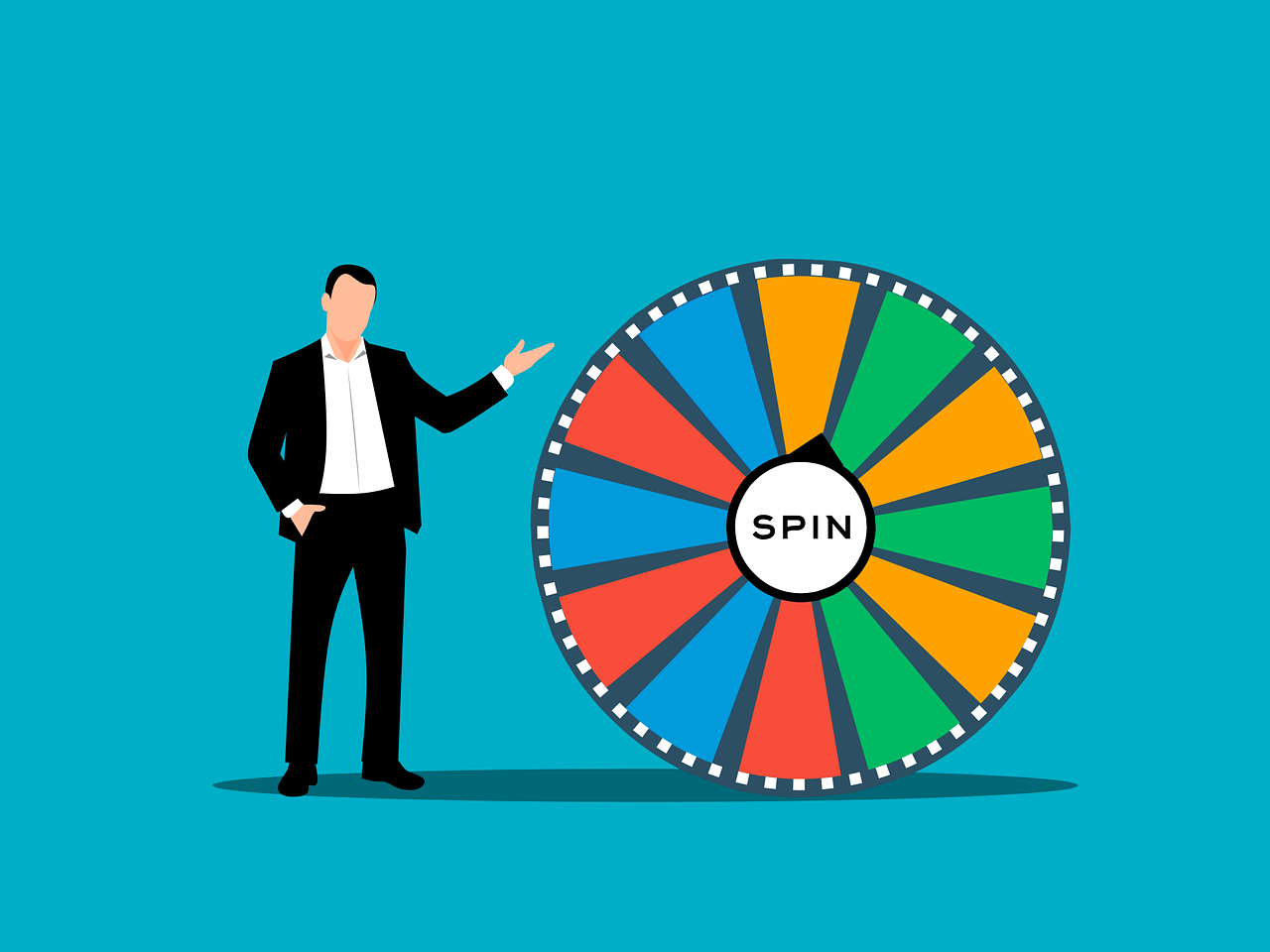
I saved this one for last because it's tricky.
Yes, forex can be gambling. For most retail traders, it absolutely is.
But it doesn't have to be.
When Trading Becomes Gambling
Trading is gambling when:
You don't manage risk (all-in mentality)
You trade emotionally (revenge trading, fear, greed)
You chase outcomes (trying to "make back" losses)
You have no plan (random entries and exits)
That's not trading. That's guessing with money on the line.
When Trading Becomes a Skill
Trading becomes a skill when:
Risk is predefined before every trade
Probabilities are respected (you know your edge)
Decisions are rule-based (not emotional)
Outcomes are measured over hundreds of trades
The same market rewards discipline and punishes recklessness.
Whether you're gambling or trading is entirely up to how you approach it.
Why These Lies Are Everywhere
Because the truth about trading doesn't sell.
The truth is that trading is:
Boring (it involves mostly waiting)
Slow (it takes years to master)
Requires emotional maturity
Demands patience and discipline
Nobody wants to hear that. So, the industry sells dreams instead.
What Beginner Traders Actually Need to Know
Here’s the truth:
Forex trading is not easy, fast, passive, or guaranteed.
It is skill-based, performance-driven, emotionally demanding, and a long-term endeavour.
If you approach trading as a craft (something you'll spend years mastering), you give yourself a real chance.
If you approach it as a get-rich-quick scheme, you're just donating money to traders who've already learned these lessons.
Your Next Steps Matter More Than You Think
Suppose this article challenged your assumptions, good. That means you're thinking critically.
Your next step should NOT be to open a trading account and deposit money.
Instead:
Spend 3-6 months learning the fundamentals (price action, risk management, psychology)
Practice on demo until you can trade consistently without breaking rules
Start live trading with the smallest amount you can (seriously, even $100 is fine)
Focus on process, not profits, for at least a year
That timeline might feel slow. But it's infinitely faster than the alternative: learning through blown accounts, financial stress, and emotional trauma.
The Choice Is Yours
The market doesn't reward optimism. It rewards preparation.
If someone promises you certainty, speed, or that forex trading is easy… walk away. They're either lying to you or lying to themselves.
The traders who last are the ones who learn the truth early, before the market teaches it the painful way.
You now know the lies. You know what trading actually requires.
What you do next determines whether you become part of the 90% who fail or the 10% who build something real.
Choose wisely.





Trending
It's possible, even without an SSN.
Discover key qualities to consider when choosing right.
Learn what contributes to a successful business launch.
Deals & Promotions

You can also gain unlimited free access to Exclusive Content and Offers.

2026 © MitchelleO.D. All Rights Reserved.
Disclaimer: As an Amazon Associate, we earn from qualifying purchases. We may participate in additional affiliate networks or programs beyond Amazon.
Visit our Affiliate Disclosure Page to learn more.