


The Trading Systems That Separate Winners from Losers (And How to Build Yours)


Disclaimer
Some links may earn us a small commission at no extra cost to you.
Click here to read our full affiliate disclosure.
Disclaimer
We believe in complete transparency with our audience.
Some links may earn us a small commission at no extra cost to you.
Please know that we only recommend products/services we have personally used, thoroughly researched, and genuinely believe can benefit our audience.
We are immensely grateful for every click and purchase you make through these links. Thank you for being a part of our community and for your continued support!
Click here to read our full affiliate disclosure.
Here's something nobody tells you when you start trading forex:
The winners aren't smarter than you. They don't have secret indicators. They're not reading the market like psychics.
They just have something you probably don't… a trading system.
I'm talking about a complete framework that tells you exactly what to do, when to do it, and when to walk away.
Many beginners lose money because they lack this framework. They trade without a plan. They alter their rules during trades. They pursue setups out of boredom, fear or because they saw someone on Twitter making $5000 in a single day.
Profitable traders don't do any of that.
In this guide, you're going to learn what trading systems actually are, why every serious trader uses one, and how to start building your own, even if you've never made a consistent profit before.
Let's get into it.
What Is a Trading System (And Why You Probably Don't Have One)
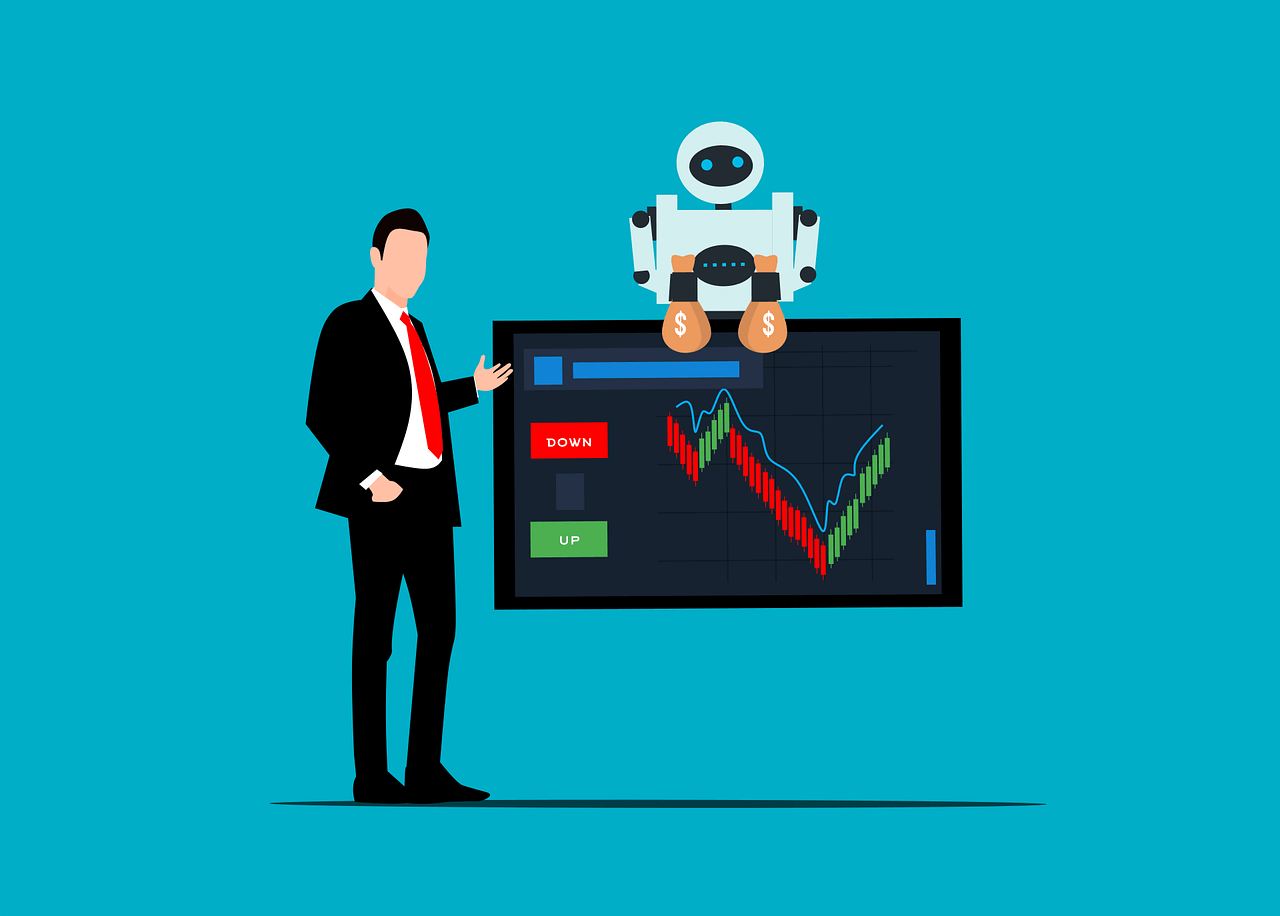
A trading system is a set of rules that answers five questions:
What should I trade?
When should I enter?
When should I exit?
How much should I risk?
When should I not trade?
If your trading decisions change based on how you're feeling, whether you just won or lost three trades in a row, or what some guru posted on Instagram, you don't have a system.
You're gambling with extra steps.
A real trading system takes emotion out of trading. It is not concerned with how one feels about the market. It focuses on following established rules regardless of personal preferences or feelings about those rules.
Think of it like driving. You don't invent new traffic rules every time you get behind the wheel. You follow the same rules every time because they keep you safe. Trading systems work the same way.
Why Every Profitable Trader Depends on a System
Here's what profitable traders don't do:
They don't wake up and ask, "What do I feel like trading today?"
They ask, "Does my system show a valid setup?"
Because systems solve your biggest trading problems
A well-built trading system does five things:
Reduces emotional decision-making. You're not guessing. You're following rules.
Creates consistency. Same approach, every trade, every day.
Makes performance measurable. You can actually track what's working and what isn't.
Prevents overtrading. No more revenge trading or boredom trades.
Protects your capital during drawdowns. You stay in the game when things get rough.
Without a system in place, each trade can feel personally connected to you. When you incur losses, it feels like a personal failure. When you achieve wins, you might feel like a genius.
But with a solid system, each trade transforms into just one data point among countless others in an extensive list of hundreds. Whether you win or lose, you’ll just keep moving forward without dwelling on it.
The 6 Core Components Every Trading System Needs
Simply assembling a handful of rules doesn’t create a true system. Profitable trading systems all share the same foundational building blocks.
Neglecting even one of these elements could cause your system to fail when you need it the most.
1. Market Selection Rules
Profitable traders don't trade everything they see.
Their systems specify:
Which currency pairs to trade (majors, minors, exotics?)
Which trading sessions to focus on (London open? New York session?)
Which market conditions to avoid (low volatility? major news?)
Example: "I only trade EUR/USD, GBP/USD, and USD/JPY during the London and New York overlap. I avoid trading during low-liquidity Asian hours".
Why does this matter? Because trying to trade every pair in every session spreads your focus too thin. You need specialisation to develop an edge.
2. Entry Criteria (Objective, Not Emotional)
Your entry rules define exactly when a trade is allowed.
Good systems use:
Clear technical conditions (breakout above resistance, pullback to support)
Repeatable setups you can spot over and over
Objective confirmations (candlestick patterns, indicator signals)
Bad systems rely on:
Gut feelings
"It looks like it's going up"
Random signals from Discord or Telegram
You don't need a lot of entries. You need high-quality, repeatable entries.
One solid setup executed 100 times beats ten mediocre setups executed randomly.

3. Risk Management Rules (This Is Your Real Edge)
This is where winners separate from losers.
Every serious trading system includes:
Fixed risk per trade (usually 1-2% of your account)
Mandatory stop-loss placement on every trade
Position sizing rules based on your stop distance
Risk is decided before you enter, not after price starts moving.
Most traders obsess over entries. They spend hours looking for the "perfect" setup.
Professionals obsess over controlling losses. They know that protecting capital is more important than being right.
You can be right 40% of the time and still be profitable if your risk management is tight. You can be right 70% of the time and still blow your account if you don't control your losses.
4. Exit Rules (Planned in Advance)
Your system must define:
When to take profits (specific price target? Risk-to-reward ratio?)
When to cut losses (stop-loss hit? price structure breaks?)
When to trail stops (if you use trailing stops at all)
Exits should never be decided emotionally.
You don't ask, "How am I feeling about this trade?" You follow your exit rules.
Profitable traders know that you don't need to catch the entire move. You need to extract consistent portions of price action, over and over.
5. Trade Management Rules

Trade management defines what happens while you're in a position:
Do you scale in or out?
Do you move your stop to breakeven?
Do you take partial profits at certain levels?
Many successful systems keep management dead simple. Why? Because complexity increases emotional interference.
The more decisions you have to make while you're in a trade, the more chances you have to screw it up.
6. Rules for When NOT to Trade
This is the most overlooked component of any trading system.
Your system should specify:
Maximum trades per day or week
Conditions that trigger a trading pause (lost 2% in a day? stop trading)
News filters (no trading 30 minutes before/after major economic releases)
Knowing when not to trade preserves both your capital and your psychology.
Some of the best trading days are the ones where you don't trade at all.
The 5 Main Trading Systems Professionals Use

It's important to recognise that there isn't one definitive "best" trading system out there.
The best system is the one that matches your personality, your schedule, and your emotional tolerance.
Here are the most common types used by consistently profitable traders.
1. Trend-Following Trading Systems
How they work: Identify strong directional moves, enter on pullbacks or breakouts, and stay in the trade as long as the trend remains unbroken.
The core idea: Markets trend more often than most people expect.
Why profitable traders use them:
Simple logic that's easy to follow
Works across all timeframes
Strong performance during trending markets
Losses are usually small, winners can be large
Note: Trend-following systems often experience numerous small losses, especially in choppy, sideways markets. Embracing patience and cultivating emotional resilience are essential for success in this approach.
2. Breakout Trading Systems
How they work: Trade price breaking above resistance or below support levels.
The logic: Strong breakouts often lead to momentum moves that can be captured for profit.
Why they work:
Clear structure and objective levels
Easy to define risk (stop just below breakout level)
Mechanical and repeatable
The challenge: Breakouts fail frequently. You'll get faked out.
Profitable traders accept that false breakouts are part of the system. They control risk tightly and know that the real breakouts will more than make up for the fakes.
3. Mean Reversion Trading Systems
How they work: Trade on the assumption that price tends to return to an average after extreme moves.
They look for:
Overextended price movements
Extreme deviations from moving averages
Range-bound conditions
Why professionals use them:
High win rate (you're often right)
Works beautifully in ranging markets
Can provide consistent small wins
The risk: When trends emerge, mean reversion systems can get crushed.
This is why market context matters, and risk limits are essential. You need to know when to step aside.
4. Price Action-Based Systems
How they work: Rely on candlestick patterns, market structure, support and resistance (with minimal or no indicators).
Why profitable traders prefer them:
Clean charts that are easy to read
Flexible across different markets
Improves your overall market understanding
The truth: Price action trading systems still need clear rules, defined risk management, and detailed journaling.
"Reading the market" without rules isn't a system. It's guessing.
5. Rule-Based Indicator Systems (Used Carefully)
Contrary to popular belief, some profitable traders do use indicators, but in highly structured ways.
Examples:
Moving average crossovers for trend filters
RSI or MACD for momentum confirmation
ATR for volatility-based exits
Key principle: Indicators support decisions. They don't replace them.
If you're using indicators, you still need entry rules, exit rules, and risk management. The indicator is just one piece of the puzzle.
What Profitable Traders Do Differently With Their Systems

1. They Keep Systems Simple
Complex systems sound impressive. They look cool on a chart.
But they:
Increase hesitation
Encourage rule-breaking
Collapse under pressure
Simplicity improves execution. Period.
The fewer decisions you have to make in real-time, the better you'll trade.
2. They Stick to One System Long Enough
Most beginners fail because they:
Constantly hop from one system to another (trying a new strategy every week)
Abandon strategies after a few losses
Never gather enough data to know if something actually works
Profitable traders do the opposite:
They test one system. They execute it consistently. They improve gradually.
You need at least 50-100 trades to know if a system has edge. Most traders quit after 10.
3. They Measure Performance Beyond Profit
They track:
Win rate (what percentage of trades are winners?)
Average risk-to-reward ratio
Maximum drawdown (worst losing streak)
Rule adherence (did I follow my rules?)
Profit is a result, not the primary metric.
If you follow your rules perfectly and still lose, that's valuable data. It means you need to adjust your system, not beat yourself up.
Why Most Traders Never Build a Real Trading System
Building a system requires:
Patience to test and refine)
Self-awareness to know your strengths and weaknesses
Accountability to track and review your performance
It's much easier to:
Buy a $97 indicator package
Follow signal services
Chase shortcuts
Demands patience and discipline
Trading systems force you to confront your own weaknesses. That's uncomfortable.
But it's also the only path to consistent profitability.
How to Start Building Your Own Trading System (Step-by-Step)

You don't need something complex. You need something you can actually follow.
Step 1: Start Small
Pick:
One market (EUR/USD, for example)
One timeframe (4-hour or daily chart)
One setup (trendline breaks, support/resistance bounces, etc.)
Step 2: Define Your Rules
Write down:
Exact entry conditions (what must be true before you enter?)
Stop-loss placement rules (where will you cut the trade?)
Risk per trade (1-2% of account)
Exit logic (target price? risk-to-reward ratio?)
Step 3: Test on Demo
Trade your system on a demo account for at least 30-50 trades.
Don't judge results after 5 trades. You need data.
Step 4: Journal Every Trade
Monitor your performance using a trading journal. Record:
Entry price and reason
Stop-loss and target
Trade outcome
Whether you followed your rules
Step 5: Review Monthly
Look at your journal. Ask:
What's working?
What's not working?
Did I follow my rules?
What can I improve?
Consistency comes before profitability.
Master execution first. Profits will follow.
The Hard Truth About Trading Systems

A trading system will not:
Eliminate losses
Guarantee profits
Make trading easy or stress-free
What it will do is:
Keep losses survivable
Make your results measurable
Protect you from emotional damage
That's why profitable traders rely on trading systems, not predictions, not hunches and not hope.
Final Thoughts: Systems Create Traders, Not the Other Way Around
The market doesn't reward intelligence.
It rewards the consistent practice of discipline.
Trading systems aren't restrictive. They're protective.
If you want to trade seriously, your goal shouldn't be "find the best system".
It should be: "Become the kind of trader who can execute a system".
That's the real edge.
Ready to build your trading system? Start with one setup, one market, one timeframe. Test it for 50 trades. Track everything. Refine as you go. The system doesn't need to be perfect; it needs to be yours.





Trending
It's possible, even without an SSN.
Discover key qualities to consider when choosing right.
Learn what contributes to a successful business launch.
Deals & Promotions

You can also gain unlimited free access to Exclusive Content and Offers.

2026 © MitchelleO.D. All Rights Reserved.
Disclaimer: As an Amazon Associate, we earn from qualifying purchases. We may participate in additional affiliate networks or programs beyond Amazon.
Visit our Affiliate Disclosure Page to learn more.